Choosing Outdoor Furniture
Outdoor Dining works best when the choice starts with the room itself. Think about everyday room planning, the dimensions listed on each product, and the way the products will be used day to day. For Outdoor Dining, shoppers usually care about planning patios and covered spaces, coordinating outdoor zones, and checking scale and exposure, plus covered vs open placement, outdoor zone planning, exposure and care notes, and patio traffic flow.
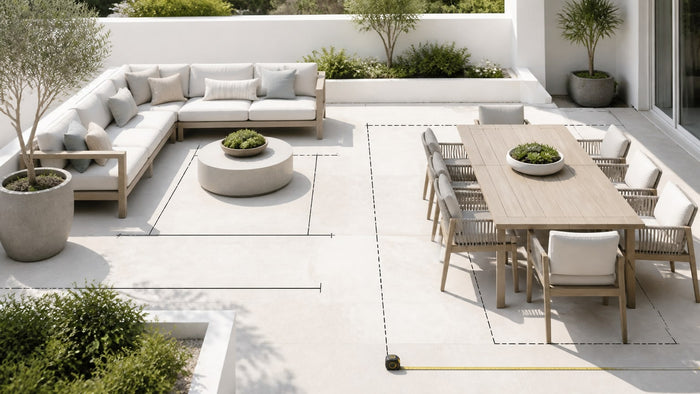
A useful buying process for Outdoor Dining begins with fit. Check width, depth, height, and any size-specific requirements before comparing finishes or visual details. If the collection is part of a larger room update, measure nearby furniture and leave enough clearance for doors, drawers, seating, or walking paths.
Next, compare the details that change how each piece lives in the room. Nearby options can be helpful to compare, but the final choice still comes down to scale, finish, comfort, storage, and the product details shown on each item.
Outdoor furniture also depends on placement. Covered patios, open decks, balconies, and poolside areas can all need different scale and care considerations, so compare product details with the actual exposure and traffic flow of the space.
What to Check First
Good Outdoor Dining shopping copy answers the questions a customer has before opening individual product pages. It should make the assortment easier to scan by explaining fit, finish, proportion, comfort, storage, and placement in plain language.
For Outdoor Dining, the details that matter most are covered vs open placement, outdoor zone planning, exposure and care notes, and patio traffic flow. A shopper comparing these products may also care about available product details, especially when the room already has furniture, rugs, lamps, wall decor, or accent pieces that need to coordinate.
Use the product grid to compare photos first, then read product descriptions for the details that are harder to judge from an image. Measurements, materials, finish names, feature notes, and available variants can all change the way a piece works once it arrives in the home.
Related collections are useful when the current assortment is close but not quite right. A shopper on Outdoor Dining may also want to compare Outdoor Dining Chairs, Dining Chairs, Outdoor Dining Tables, and Dining Tables. Those links work best as natural next steps, giving shoppers a way to adjust the size, feature, finish, or room focus without starting over.
The copy for Outdoor Dining stays strongest when every claim is easy to confirm from the products shown. Instead of promising a specific material, delivery option, or feature across the entire collection, use this guide to help shoppers compare what is visible today and verify final details on the product page.
It also helps to compare the room as a whole. Look at the largest nearby pieces first, then decide whether Outdoor Dining needs to blend in quietly or create a stronger focal point. Matching every finish exactly is rarely necessary. A better goal is coordination: similar tones, balanced shapes, comfortable spacing, and a product that feels connected to the rest of the home.
For a final comparison, narrow the list to a few products and look at them side by side. Compare the main photo, alternate angles, measurements, finish names, listed materials, feature callouts, and available variants. That slower check can prevent common mistakes, especially when two products look similar at first but differ in scale, storage, comfort, or placement.
Compare Related Options
Before choosing from Outdoor Dining, review photos, dimensions, product descriptions, available variants, and current stock indicators. If the collection has a narrow focus, confirm that each product matches the need. If it is broader, use filters and related collections to narrow the search by room, size, color, material, style, or feature.